
UCA and Ojam IP held a conference on technology, artificial intelligence, and new challenges for intellectual property
Experts from the legal, academic, and corporate sectors analyzed how digital transformation, artificial intelligence, and new business models are reshaping professional practice, trademark protection, and the role of lawyers.
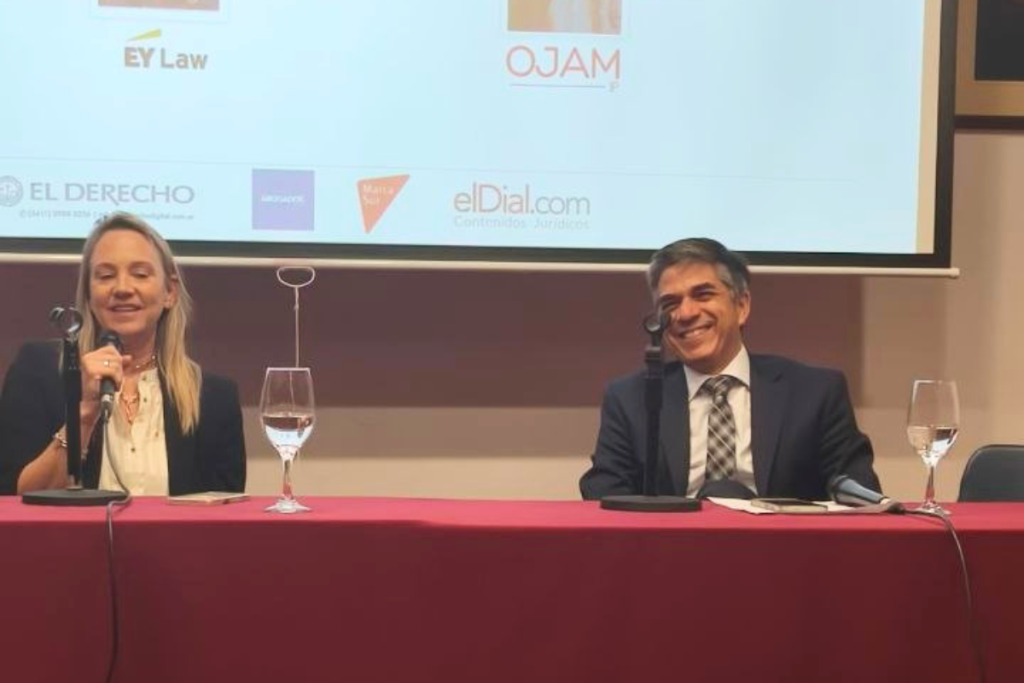
On Wednesday, April 22, at the Monsignor Derisi Auditorium of the Pontifical Catholic University of Argentina (UCA) in Puerto Madero, the UCA Law School and Ojam IP held the Academic Conference “Intellectual Property, Technology, and Innovation: the role of lawyers in the digital era.” The event brought together experts from the public, private, and academic sectors to analyze the impact of artificial intelligence and digital transformation on legal practice.
The opening remarks were delivered by Analía G. Pastore, Director of the Graduate Department of the UCA Law School, who highlighted the importance of creating spaces for reflection in light of the changes affecting the profession. The conference featured Hernán Rodrigo Cabaleiro Rigamonti (National Director of Trademarks at the National Institute of Industrial Property – INPI), Octavio Mitelman (Allende & Brea), Paula Fernández Pfizenmaier (Mercado Libre), Raquel Mass (Abogados.com.ar and ALTA), and Jorge Garnier (EY Law), with moderation by Juan Carlos Ojam and Paula Galván, partners at Ojam IP.
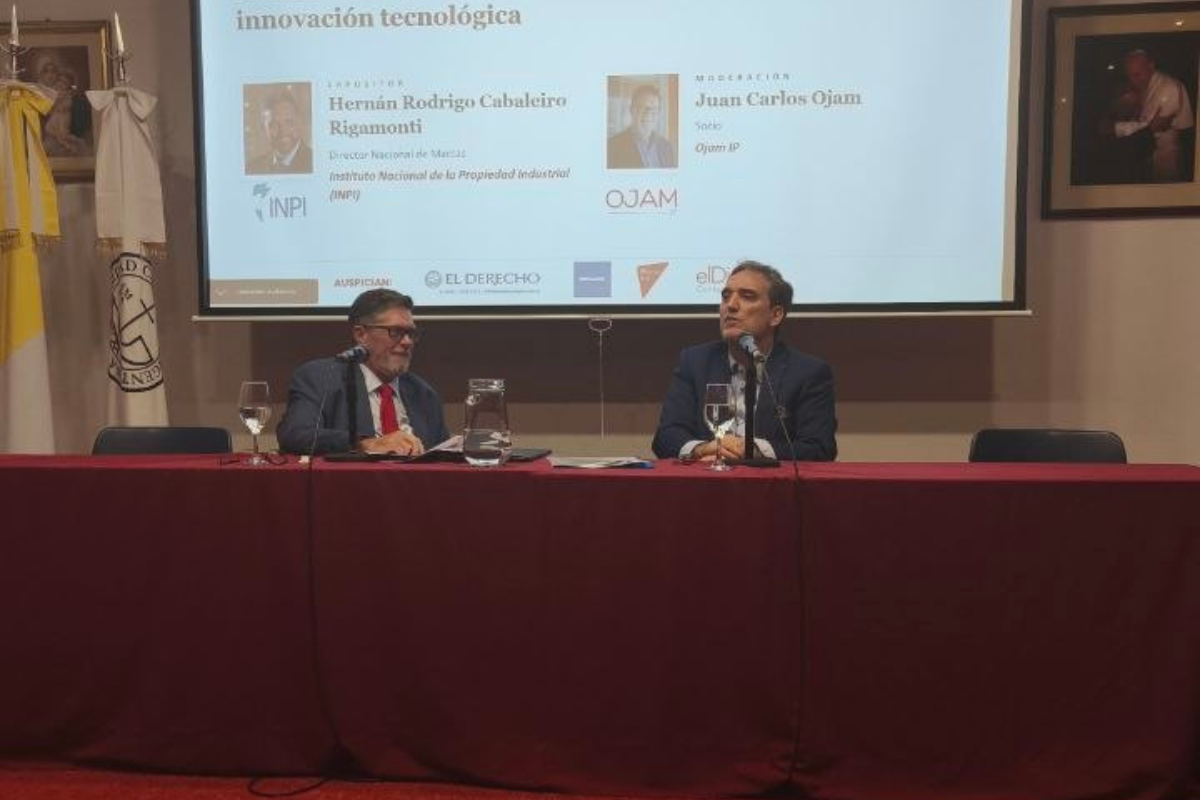
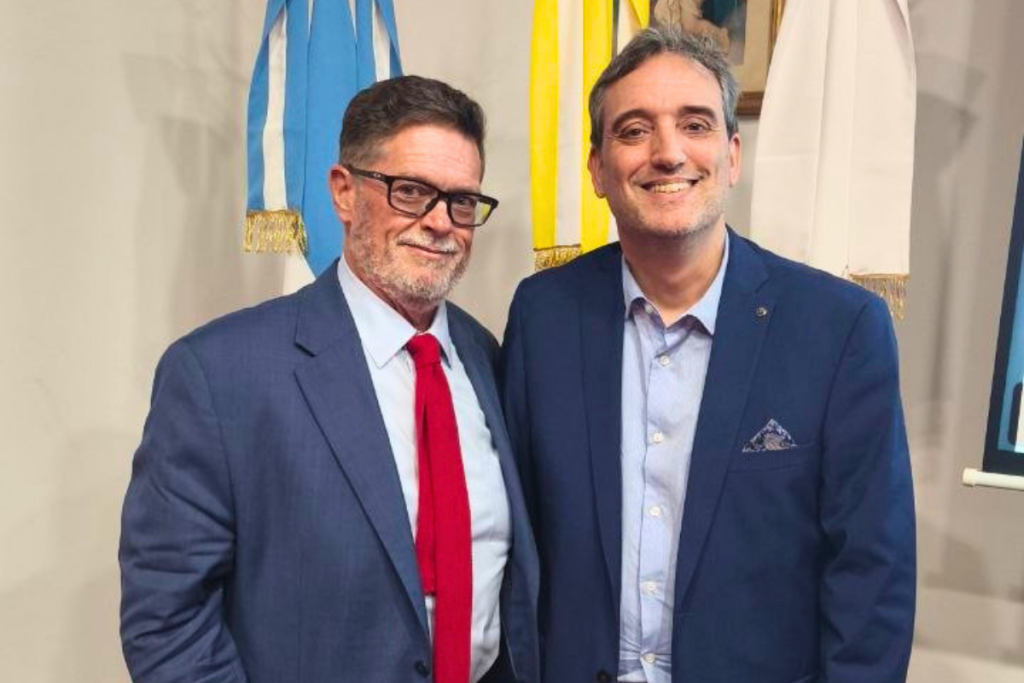
The first panel addressed the transformation of Argentina’s trademark system and the changes driven by the INPI. In conversation with Juan Carlos Ojam, Hernán Cabaleiro explained the challenges faced by the Institute in light of the sustained increase in trademark filings, the need to streamline procedures, and the experimental use of artificial intelligence as a support tool for examiners. “Nosotros partimos de una necesidad,” he noted, referring to the growing volume of filings and reduced resources. In that context, he highlighted the emerging use of AI: “La IA no reemplaza la tarea del examinador,” but rather “implica darle al examinador una herramienta más.” He also emphasized that the goal is “recibir las marcas en el menor tiempo posible sin que esto implique resignar calidad jurídica en el análisis.”
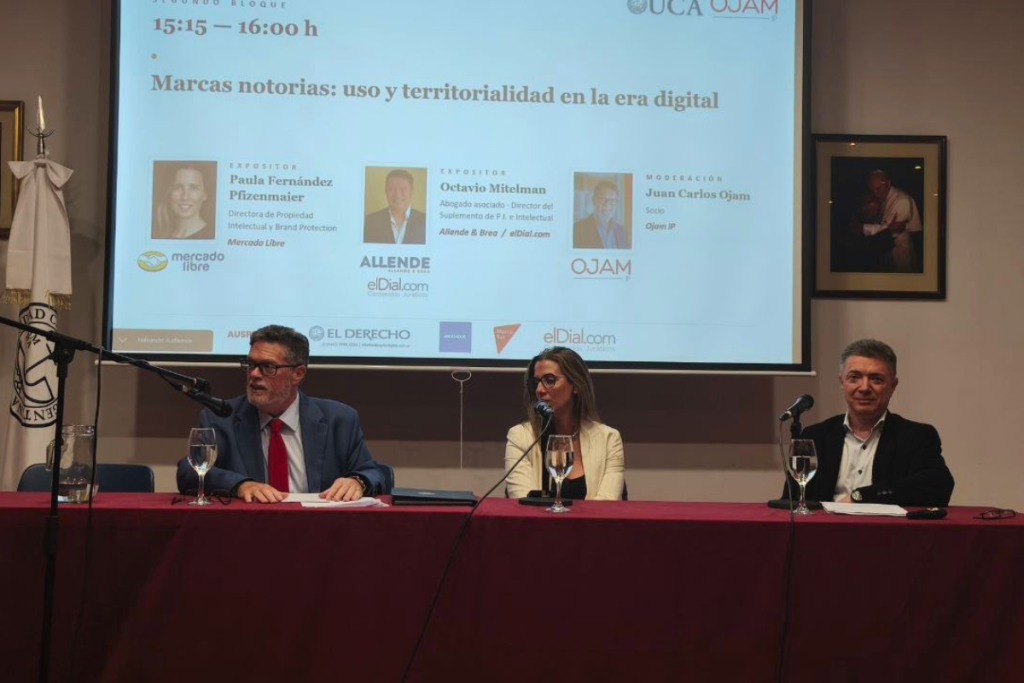
The second panel focused on the challenges of well-known trademarks in digital environments, featuring Octavio Mitelman and Paula Fernández Pfizenmaier, moderated by Juan Carlos Ojam. Mitelman argued that e-commerce “destrozó las fronteras comerciales” and that trademark law must rethink traditional concepts such as territoriality, use, and notoriety. In this regard, he stated that “hay que medir la notoriedad a nivel global” and that “no podemos estar con la cabeza y retrotraerla a 1883.” From a corporate perspective, Pfizenmaier shared Mercado Libre’s experience in obtaining recognition as a famous trademark in Mexico. “Teníamos muchos casos de apropiación de nuestras marcas,” she explained, highlighting how this recognition strengthens brand protection against third parties. She also noted that such processes require significant resources: “Para poder hacer ese trámite no podés ser una pyme con pocos ingresos y pocos recursos.”
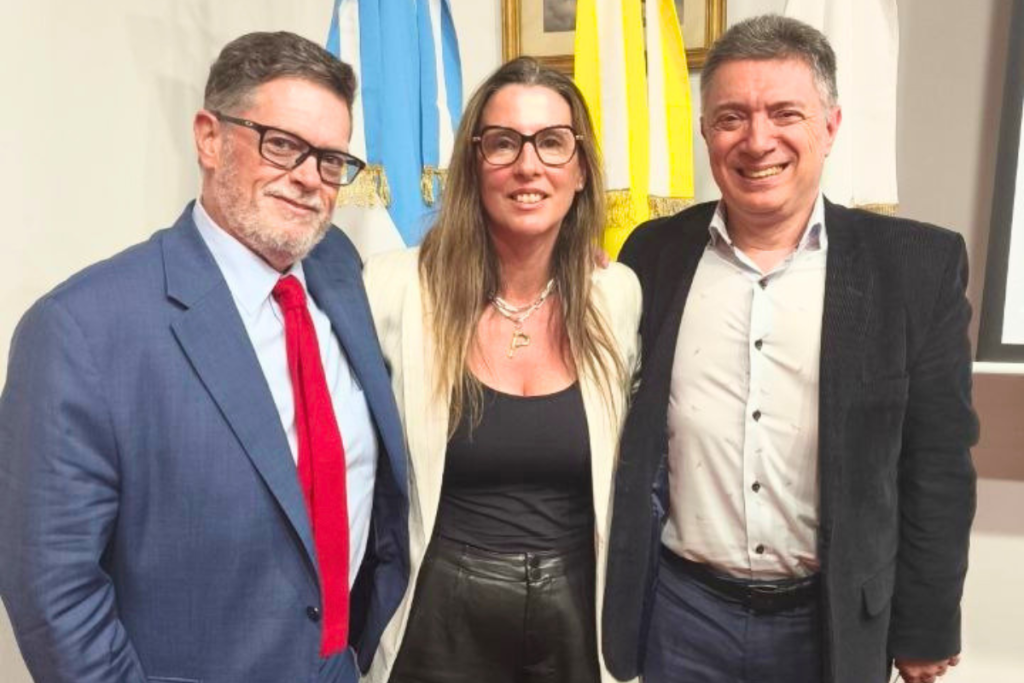
The third panel focused on the use of artificial intelligence in law firms and its impact on the profession, with presentations by Raquel Mass and Jorge Garnier, moderated by Paula Galván. The moderator proposed addressing the issue from “la parte humana de todos nosotros como abogados,” beyond the tools themselves. Mass pointed out that although interest in AI is growing, “se está usando, pero no como una adopción sistemática,” describing a scenario marked by the “FOMO de la IA jurídica” and the use of tools “en las sombras.” In this context, she stated that “el desafío es humano, no es tecnológico.” Garnier, for his part, shared EY’s implementation experience and warned: “Dotar de tecnología a las organizaciones sin tener atrás una mirada puesta en el humano que la va a operar, en alguna medida, es tirar la plata.” He also stressed that technology does not replace the professional role: “Eso no es ser abogado. Eso es saber usar la tecnología para ser mejores abogados.”
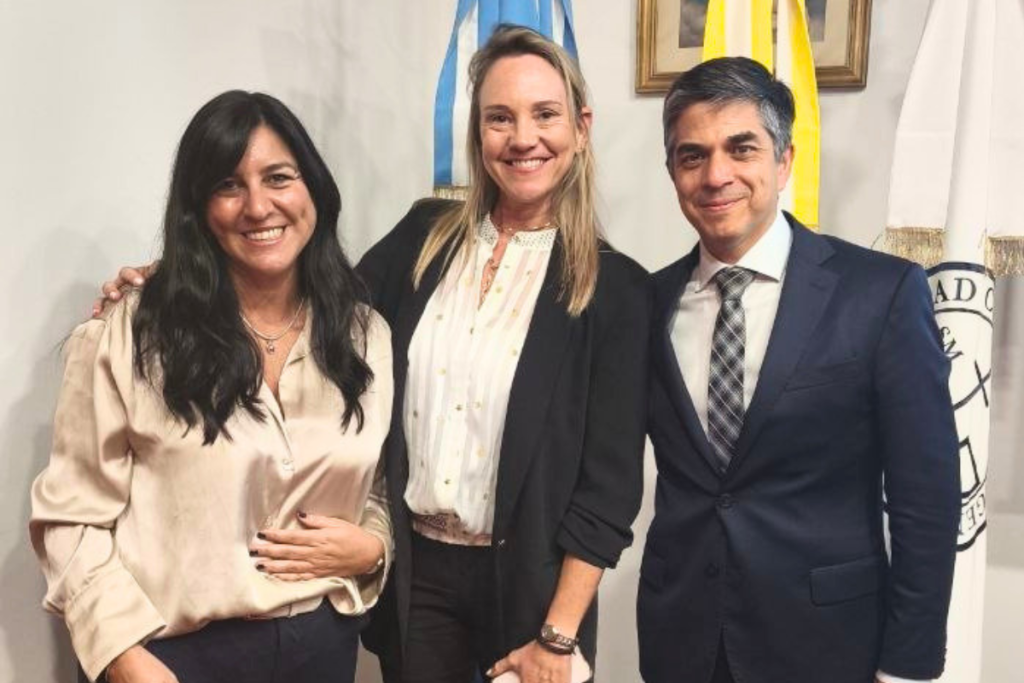
The conference concluded with a shared takeaway: artificial intelligence and digital transformation are no longer future issues but are already part of the present of legal practice, with an impact that goes beyond technology and extends into cultural, organizational, and educational dimensions. The need to develop new skills, rethink work models, and adopt a strategic mindset emerged as a cross-cutting theme throughout all panels. Their incorporation requires continuous learning, professional judgment, and strategic vision. In this regard, Juan Carlos Ojam recalled that, together with Paula Galván, he coordinates and directs at UCA the Graduate Program in “Intellectual Property and Disruptive Technologies,” featuring professors from around the world and focused on key global debates on innovation and technology, which will soon open for enrollment.
